A gas fireplace insert converts an existing masonry fireplace into a more convenient and efficient source of supplemental heat. For cold Midwest homes, direct-vent models are often an excellent choice because they use outside combustion air, exhaust outdoors, reduce chimney drafts, and provide controlled warmth.
For homeowners throughout Southeast Iowa, upgrading an existing fireplace can turn an underused architectural feature into a dependable source of heat. We’ve put together a comprehensive guide to gas fireplace types, costs, and installation considerations to help you make the best choice for your home.
What Is a Gas Fireplace Insert?
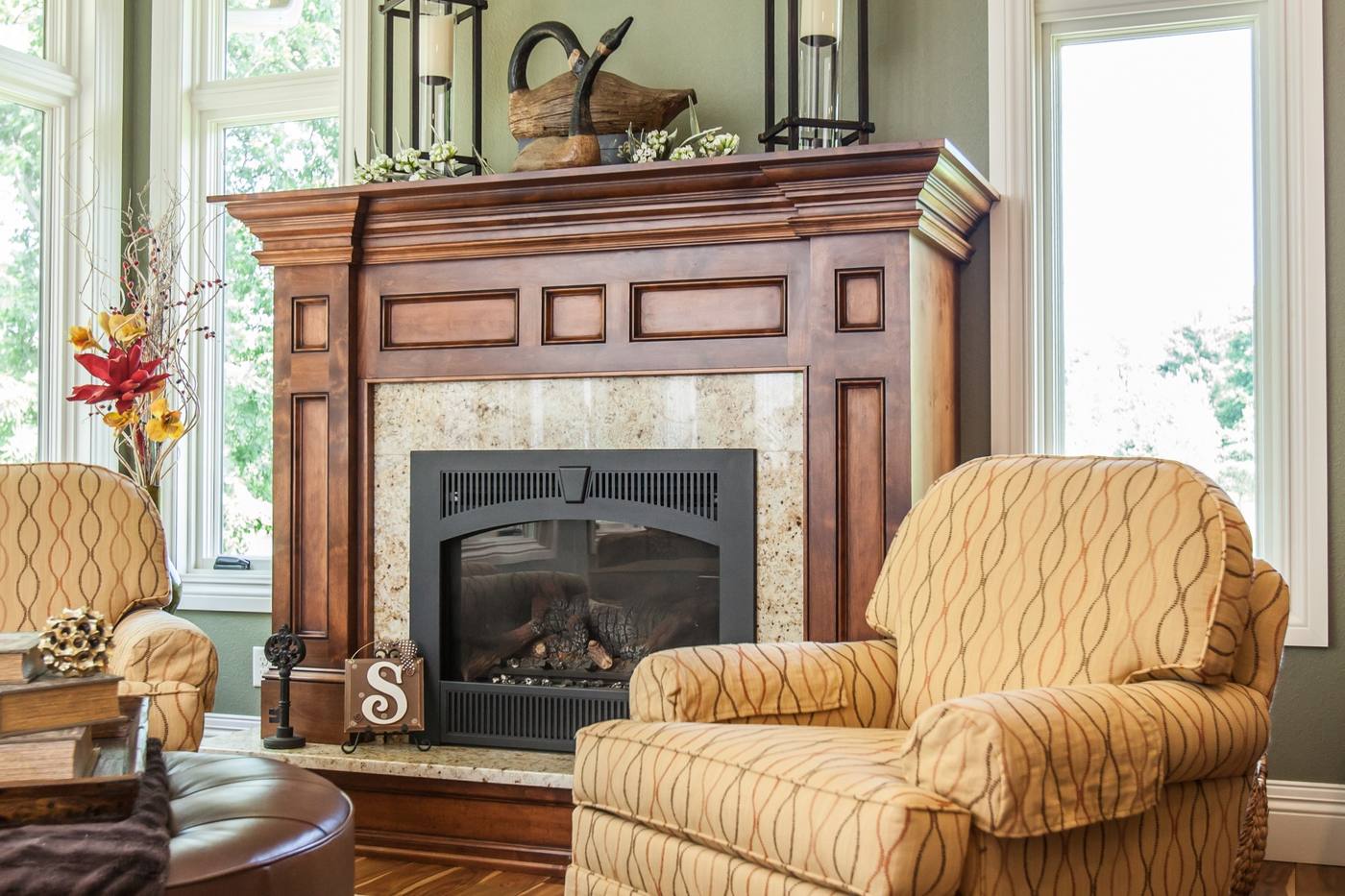
A gas fireplace insert is a self-contained firebox designed to fit inside an existing masonry fireplace. Instead of relying on an open firebox and traditional chimney draft, the insert contains the flame within a manufactured unit and uses a dedicated venting system appropriate for the model.
For a Southeast Iowa homeowner with a beautiful brick or stone fireplace that rarely gets used, an insert may allow much of the original architectural character to remain while making the fireplace considerably easier to enjoy.
Modern inserts may include:
Adjustable flame and heat settings
- Thermostatic controls
- Remote operation
- Variable-speed blowers
- Ceramic glass designed to radiate heat
- Decorative log, ember, stone, or glass media
- Traditional or contemporary surrounds
- Safety screens and automatic safety features
Many inserts can operate on either natural gas or propane, depending on the particular model and available fuel source.
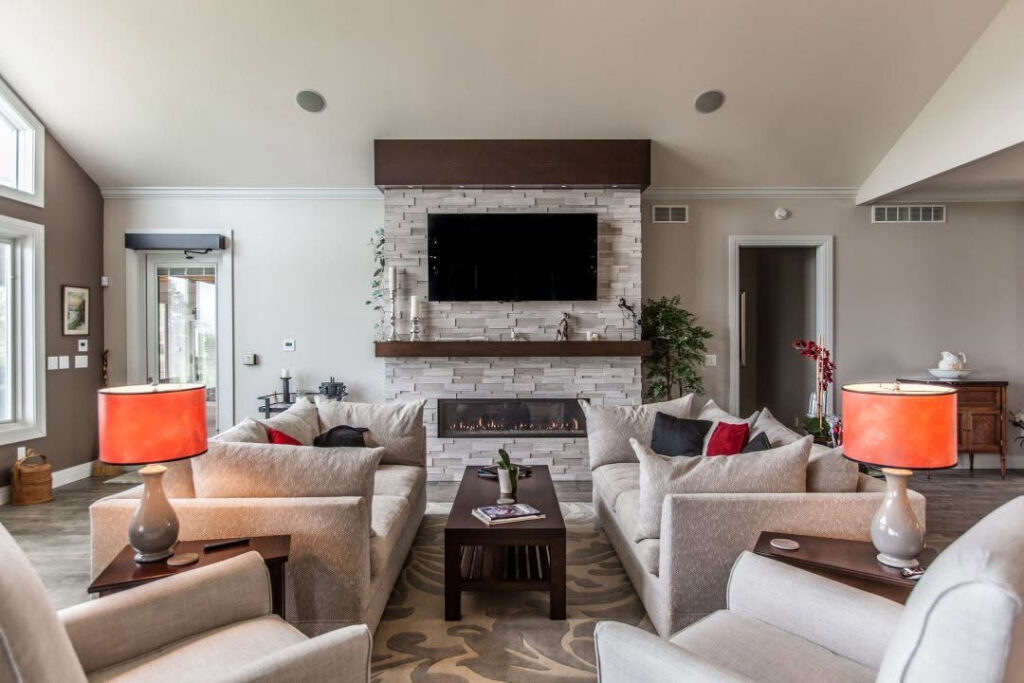
Why Gas Fireplace Inserts Make Sense during a Midwest Winter
The real value of a gas fireplace insert becomes apparent when temperatures drop across Iowa.
An open wood-burning fireplace creates atmosphere, but much of its heat can escape through the chimney. Modern gas inserts are designed to deliver more usable heat to the room while reducing the cold draft associated with an open fireplace.
That perk can be especially helpful in older homes around Fairfield, Burlington, Mount Pleasant, Oskaloosa, and Ottumwa, where an existing masonry fireplace may occupy a central location in a living room or family room.
Homeowners often choose an insert for several reasons:
1. More Useful Heat
Instead of relying primarily on radiant heat from an open wood fire, many inserts combine radiant heat with a blower that moves warmed air farther into the room.
This feature can make the fireplace useful for zone heating. You can warm the room where the family is spending time without expecting the fireplace to replace the home’s central heating system.
2. Less Work
There is no wood to split, stack, carry indoors, or season. You also avoid routine ash removal and the process of rebuilding a wood fire each time you want additional heat.
3. Better Control
Depending on the model, a homeowner may be able to adjust flame height, blower speed, and temperature from a remote control. Some units can maintain a selected room temperature automatically.
For a January evening in Southeast Iowa, that convenience can make the difference between a fireplace that looks nice and one you actually use.
Direct Vent, B-Vent, and Ventless Gas Fireplace Inserts
Choosing the right venting system is one of the most important decisions when buying a gas fireplace insert. The three terms homeowners are most likely to encounter are direct vent, natural or B-vent, and vent-free.
Direct Vent Gas Fireplace Insert
A direct vent gas fireplace insert uses a sealed combustion system. One passage supplies outside air for combustion while another carries exhaust gases outdoors.
Because the unit is not depending on heated room air for combustion, direct venting can reduce the heat loss associated with an open fireplace. It also separates combustion from the home’s indoor air.
For those reasons, direct vent is often an especially appealing choice for tightly constructed homes and for Midwest homeowners whose goal is dependable supplemental heat rather than appearance alone.
Natural Vent or B-Vent
A B-vent system draws combustion air from inside the home and relies on the natural upward movement of warm exhaust gases through the flue.
It can work in certain existing conditions, but it does not offer the same sealed-combustion approach as a direct-vent system.
Vent-Free
A ventless gas fireplace insert does not exhaust combustion products through a chimney or exterior vent.
That may sound convenient, but vent-free appliances deserve careful consideration. The EPA identifies unvented gas appliances as potential indoor sources of combustion pollutants and recommends venting combustion sources outdoors as an effective way to reduce exposure.
Availability and installation requirements can also vary by jurisdiction and appliance type. Before choosing any vent-free fireplace product, confirm applicable local codes, manufacturer’s requirements, room-size restrictions, and installation conditions with a qualified professional.
For a homeowner primarily concerned with winter heating performance and indoor air quality, a properly sized vented system is generally the more straightforward option to explore first.
Fuel Type—Natural Gas or Propane?
A gas fireplace insert can commonly be configured for natural gas or propane, depending on the manufacturer and model.
A natural gas fireplace insert makes sense when the home already has natural gas service or when extending an existing gas line to the fireplace is practical. Propane can provide an alternative for rural properties and other homes without natural gas service.
Here are some factors to consider when selecting the fuel source for your fireplace insert:
- Fuel already available at the home
- Cost and complexity of bringing fuel to the fireplace
- Appliance compatibility
- Desired heat output
- Local fuel availability
- Installation requirements
- Long-term operating preferences
The fireplace professional and qualified gas installer should confirm that the selected appliance is properly configured for the fuel being used.
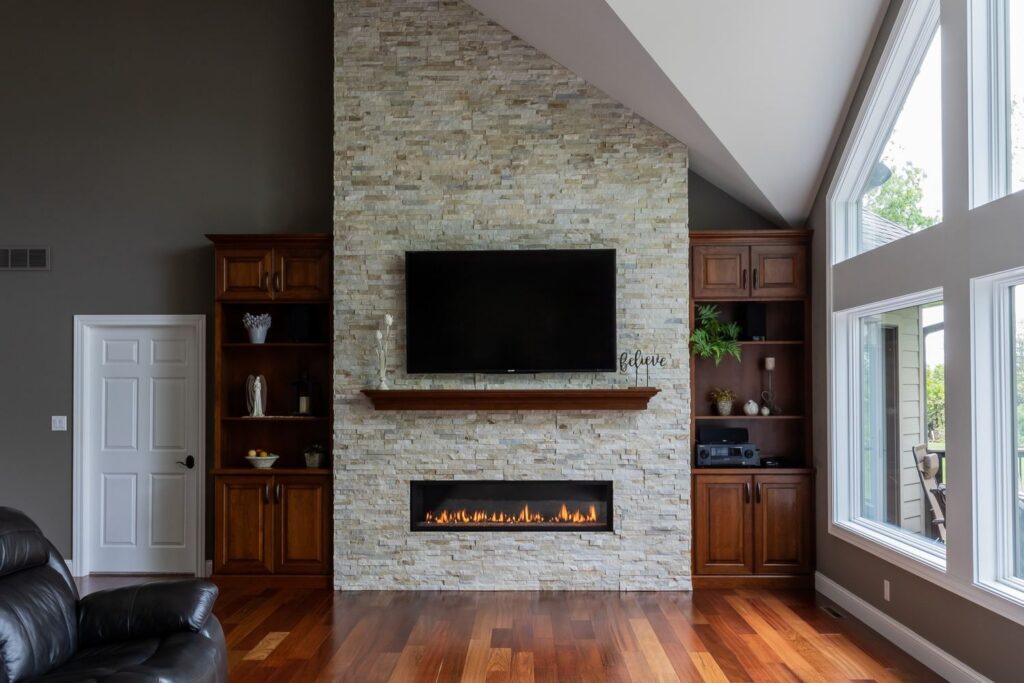
How Much Heat Do You Need?
Bigger is not automatically better when choosing a gas fireplace insert. An oversized appliance can make a smaller room uncomfortable before the rest of the space benefits from the heat. An undersized unit may run continuously without delivering the warmth you expected.
Heat output is commonly expressed in BTUs, but square footage should not be the only consideration.
A professional should also consider:
- Ceiling height
- Room dimensions
- Open or divided floor plan
- Window and exterior-door area
- Insulation
- Age and construction of the home
- Fireplace location
- Whether the fireplace is on an exterior or interior wall
- How adjoining rooms connect
- Whether the insert is intended for ambiance or significant supplemental heat
For example, a fireplace serving an open living, kitchen, and dining area in a Fairfield home may have very different heating requirements than one serving a compact den in an older Ottumwa home.
The goal isn’t to buy the largest fireplace that fits. It’s to choose the unit that fits both the opening and the way you want the room to feel.
How Do You Know What Size Insert Will Fit?
Before selecting a gas fireplace insert, the existing fireplace needs to be measured carefully. Because masonry openings vary, measurements are typically needed at several locations rather than simply measuring width and height across the front.
Important dimensions can include:
- Front opening width
- Rear firebox width
- Front opening height
- Rear height
- Fireplace depth
- Hearth dimensions
- Chimney configuration
- Surrounding wall material
- Nearby flooring material
Do not assume an older fireplace is a standard size. A professional evaluation allows you to determine which firebox sizes fit while leaving the required clearances and accommodating the manufacturer’s approved venting system.
What Does a Gas Fireplace Insert Cost?
The total gas fireplace insert cost depends on considerably more than the appliance itself. A simple installation into a suitable existing fireplace can be very different from a project that includes a new gas line, masonry changes, stone veneer, mantel work, or a complete redesign of the fireplace wall.
Your actual investment may include:
- Fireplace insert
- Venting components
- Gas line work
- Electrical work
- Surround or faceplate
- Chimney preparation
- Masonry modifications
- Blower and controls
- Decorative interior media
- Mantel, stone, or tile updates
- Labor and permitting requirements
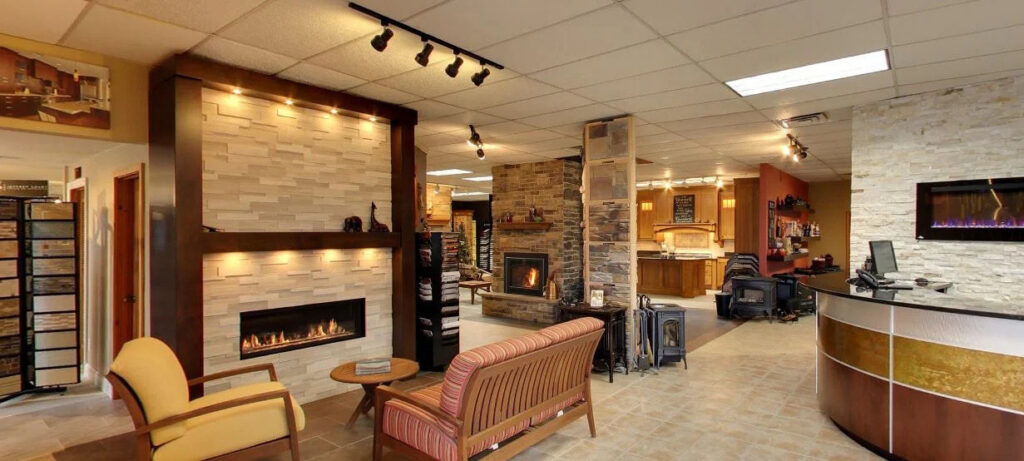
A personalized estimate can give you a much clearer idea of what to expect for your project. Contact us or visit our fireplace store Fairfield showroom to talk through your fireplace, your goals, and the options that may work best for your home. Our team will help you compare choices and understand the costs involved.
What Happens During Installation?
Professional gas fireplace insert installation involves more than sliding a firebox into an opening.
The exact sequence depends on the house and appliance, but the process generally begins by examining the existing masonry fireplace and chimney, confirming dimensions, selecting an approved insert, establishing the gas connection, and installing the venting required by the manufacturer.
Direct-vent inserts typically use dedicated intake and exhaust liners routed through the existing chimney.
The project can also involve:
- Inspecting the existing fireplace and chimney
- Confirming appliance clearances
- Preparing or extending the gas supply
- Installing approved vent components
- Positioning and connecting the insert
- Installing the surround or faceplate
- Connecting electrical components or blower systems where required
- Testing ignition, flame, controls, and venting
- Reviewing proper operation with the homeowner
Gas appliances and their venting must be installed according to the appliance manufacturer’s instructions and applicable codes. EPA guidance also stresses proper installation and maintenance of combustion appliances and flues.
This is not a project where improvising installation details is worthwhile.
Can You Keep the Existing Brick or Stone Fireplace?
Yes. One reason homeowners choose a gas fireplace insert is that it can often be incorporated into the fireplace they already have.
If you love your existing brick, limestone, or stone surround, the new insert may simply become the functional center of it. If the fireplace feels dated, however, the insert installation can also become an opportunity to reconsider the entire focal wall.
At JC Huffman, we specialize in high-end home updates, coordinating your fireplace upgrade with other premium, handcrafted elements like our signature custom cabinetry. If you’re looking for the absolute best custom craftsmanship, we can design matching built-ins or a custom wood mantel to surround your new appliance.
Possible updates include:
- New stone veneer
- Tile around the firebox
- A new mantel
- Updated hearth material
- Custom cabinetry beside the fireplace
- Built-in shelving
- Television and component planning
- New flooring around the hearth
- Coordinated walls and trim using premium Benjamin Moore paint colors
This is where working with a home-products showroom rather than selecting the appliance in isolation can be especially valuable.
JC Huffman is positioned as a one-stop destination for home interior products, helping homeowners coordinate fireplaces with cabinetry, countertops, flooring, tile, stone, doors, moulding, and other finishes.
Homeowners considering JC fireplaces can explore fireplaces and fireplace inserts available through JC Huffman.
Are Gas Fireplace Inserts Safe?
A properly selected, installed, maintained, and operated gas fireplace insert is designed with multiple safety considerations, but it’s still a fuel-burning appliance. Homeowners should follow the manufacturer’s operating and maintenance instructions and have combustion and venting components serviced as recommended.
Important precautions include:
- Keep required clearances around the appliance.
- Do not modify the firebox or venting system.
- Keep the safety screen in place.
- Maintain working carbon monoxide alarms.
- Have venting and fuel connections inspected when required.
- Stop using the appliance and arrange service if operation changes unexpectedly.
EPA guidance warns that damaged or improperly installed chimneys and flues can allow combustion gases, including carbon monoxide, into a home. Proper installation and maintenance matter.
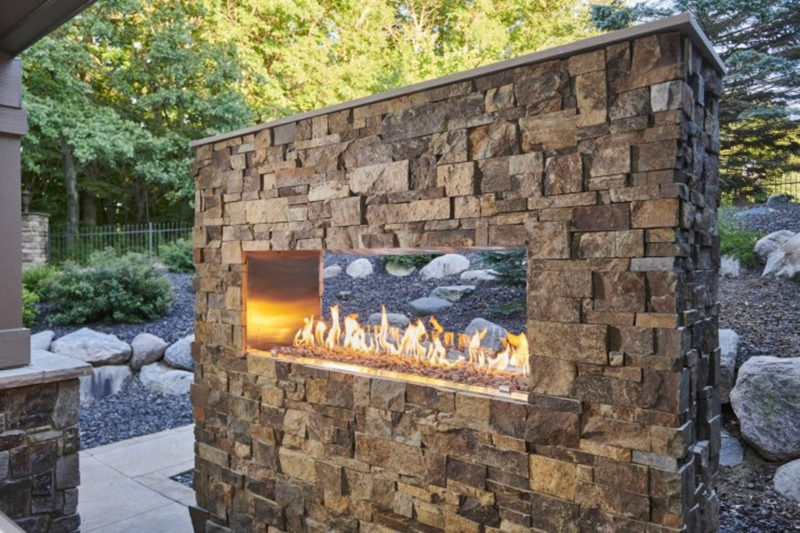
Indoor Fireplace Insert or Outdoor Fireplace?
A gas fireplace insert is specifically designed around an existing fireplace and should not be confused with products intended to create a new outdoor fireplace. Outdoor fireplaces and fire pits involve different appliances, clearances, materials, weather exposure, and construction considerations.
If you’ve been researching a diy outdoor stone fireplace, keep that project separate from an indoor gas-insert conversion. A stone surround may make the two projects appear similar, but the approved firebox, venting, fuel connections, construction requirements, and installation conditions can be very different.
JC Huffman’s whole-home approach makes it possible to explore indoor fireplaces along with stone and outdoor living products when both are part of a larger home plan.
Frequently Asked Questions (FAQ)
Is a gas fireplace insert worth it?
A gas fireplace insert can be worthwhile when you have an existing masonry fireplace but want easier operation, controlled supplemental heat, and less maintenance than a wood fire. Direct-vent inserts can also reduce chimney drafts by using a sealed system that brings combustion air from outdoors and exhausts outside.
How much does a gas fireplace insert cost?
A gas fireplace insert may cost roughly $2,300 to $8,000 before project-specific installation considerations. Final pricing depends on the appliance, venting, gas-line work, electrical needs, chimney condition, surround, masonry changes, accessories, labor, and local requirements.
Do gas fireplace inserts need a chimney?
A gas fireplace insert is generally intended for an existing fireplace, but its venting requirements depend on the model. Direct-vent inserts commonly run dedicated intake and exhaust liners through the existing chimney rather than relying on the open chimney itself. A qualified professional should confirm the approved vent configuration.
Plan Your Fireplace with JC Huffman in Fairfield, Iowa
A fireplace should make a Midwest home feel warmer, more comfortable, and more welcoming without becoming complicated to use.
JC Huffman is a family-owned cabinetry and home-products company in Fairfield, Iowa, with a team that helps homeowners make thoughtful decisions about fireplaces and the materials surrounding them. That means you can consider the insert alongside stone, tile, flooring, cabinetry, and other interior finishes instead of making each selection independently.
If you’re ready to design a beautiful new fireplace Fairfield families will love to gather around, our team can help. Call 641-472-8385 or visit our workshop and showroom to begin exploring options with our dedicated experts.