Your Guide to Choosing Kitchen Backsplash Tile
Choosing kitchen backsplash tile is one of the most exciting parts of a kitchen renovation. Yet, it can quickly become overwhelming once you realize just how many tile sizes, patterns, and layouts are available today. Tile is more than a decorative element. It affects how easy your kitchen is to clean, how balanced your cabinetry appears, and how cohesive the entire room feels. Because backsplash tile size determines everything from visual rhythm to installation cost, learning how to select the right one is of paramount importance.
This guide takes a practical approach to choosing the perfect kitchen backsplash tile. It offers real-world advice so you can confidently compare materials, understand backsplash tile size options, evaluate grout choices, and find kitchen backsplash tile ideas that complement your lifestyle and aesthetic.
Why Kitchen Backsplash Tile Size Matters
When people think about kitchen backsplash tile, they naturally focus on color and material. But backsplash tile size influences the kitchen even more. The size of the tile changes how busy or calm the wall feels, how much grout you will clean, how proportional your kitchen appears, and how the tile aligns with cabinetry lines, outlets, and range hoods.
Larger tiles create long, uninterrupted lines that visually stretch the kitchen, giving it a cleaner, more contemporary feel. Smaller tiles introduce detail and texture, creating a more traditional or handcrafted look. Even classic subway tile backsplash options come in multiple sizes—2×4, 2×6, 3×6, 3×12, 4×12—and each one shifts the character of the kitchen in a noticeable way.
Homeowners often fall in love with a tile sample without considering how many pieces will fill the backsplash or how grout joints will divide the wall. But selecting the right size tile can make or break the design.
Start With Your Kitchen’s Architecture and Cabinetry Lines
Before looking at tile samples, study the shape of your kitchen. The height between your countertops and upper cabinets—or between your countertops and a range hood—plays a major role in choosing the ideal kitchen backsplash tile size.
In most kitchens, the backsplash space ranges from 16 to 20 inches tall. Larger tiles can instantly elevate this area, but only if they land cleanly within the available height. A 12-inch tile, for example, may leave an awkward two-inch strip at the top unless trimmed. A long 3×12 subway tile often works better because it fits the vertical space with balanced grout spacing.
Smaller tiles, such as 2×6 or 2×8, give you more flexibility when working around outlets, windows, or cabinetry that does not line up perfectly across the wall. These tiles adapt more easily to tricky spots without drawing attention to cuts.
If your kitchen has high ceilings, open shelving, or no upper cabinets at all, backsplash tile size becomes even more flexible. In these cases, large-format tile or elongated subway tile can make the space feel expansive, while square artisan tile can add warmth and craftsmanship.
The goal is simple: choose a size that complements your kitchen’s proportions and enhances the layout rather than competing with it.
How Kitchen Backsplash Tile Size Affects Style
Once your architectural constraints are clear, you can explore how backsplash tile size influences the aesthetic of the room. Here is how the most common kitchen backsplash tile sizes typically perform:
Small format tiles (2×4, 2×6, 2×8)

These sizes bring charming detail to the kitchen. They work well in traditional homes, cottage-style kitchens, or any space where you want a more handcrafted feel. When combined with a glossy ceramic finish or light-reflective glaze, they provide lively texture.
Classic 3×6 subway tile
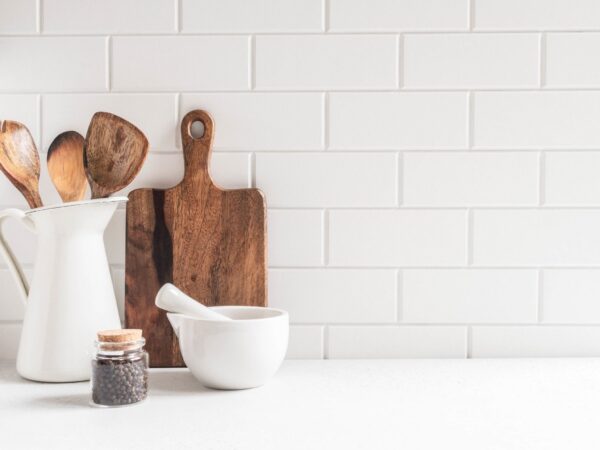
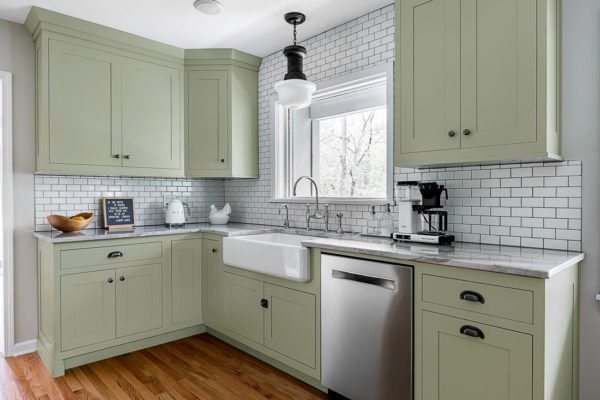
This is the most timeless option because it sits comfortably in both older and newer homes. A 3×6 subway tile backsplash feels familiar, balanced, and clean. It allows the tile pattern to be visible without overwhelming the kitchen.
Elongated subway tiles (3×12, 4×12)

These popular modern choices create longer, smoother sightlines and visually widen the kitchen. They reduce grout lines while keeping the simplicity of subway shapes. Elongated tiles work especially well in transitional and contemporary designs.
Square tiles (4×4, 5×5, 6×6)

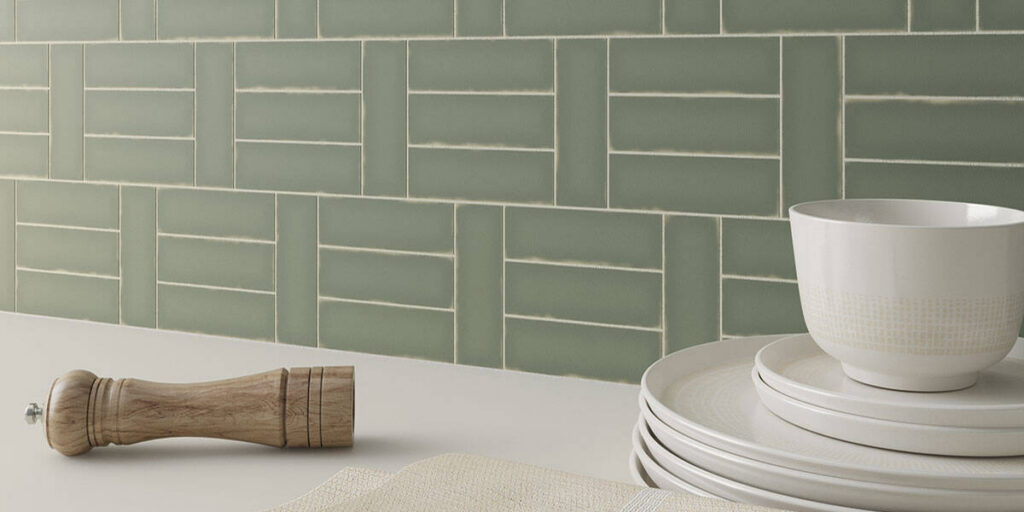
Square tiles are enjoying a resurgence, especially those with artisan or zellige-inspired finishes. They introduce subtle variation and an organic feel. These are perfect if you’re looking for kitchen backsplash tile ideas that feel warm, inviting, and handmade.
Large-format tiles (12×24 and up)
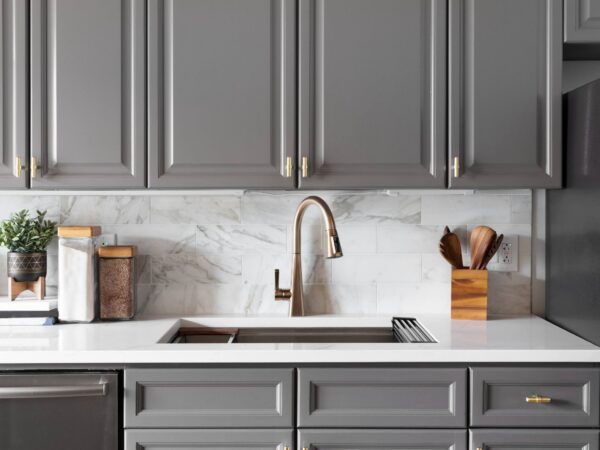
These tiles shift the backsplash from a “tiled surface” to a “wall treatment.” Because there are fewer grout joints, the wall looks smoother and is easier to clean. Large tiles pair well with minimalist kitchens, modern cabinetry, or busier countertops that benefit from a quiet backdrop.
Choosing the right kitchen backsplash tile size means thinking about how each proportion interacts with your cabinetry, countertop movement, and overall atmosphere. If your cabinets have strong vertical lines, a longer tile can enhance that effect. If your countertop has bold veining or heavy patterning, a simple, classic 3×6 tile might balance it best.
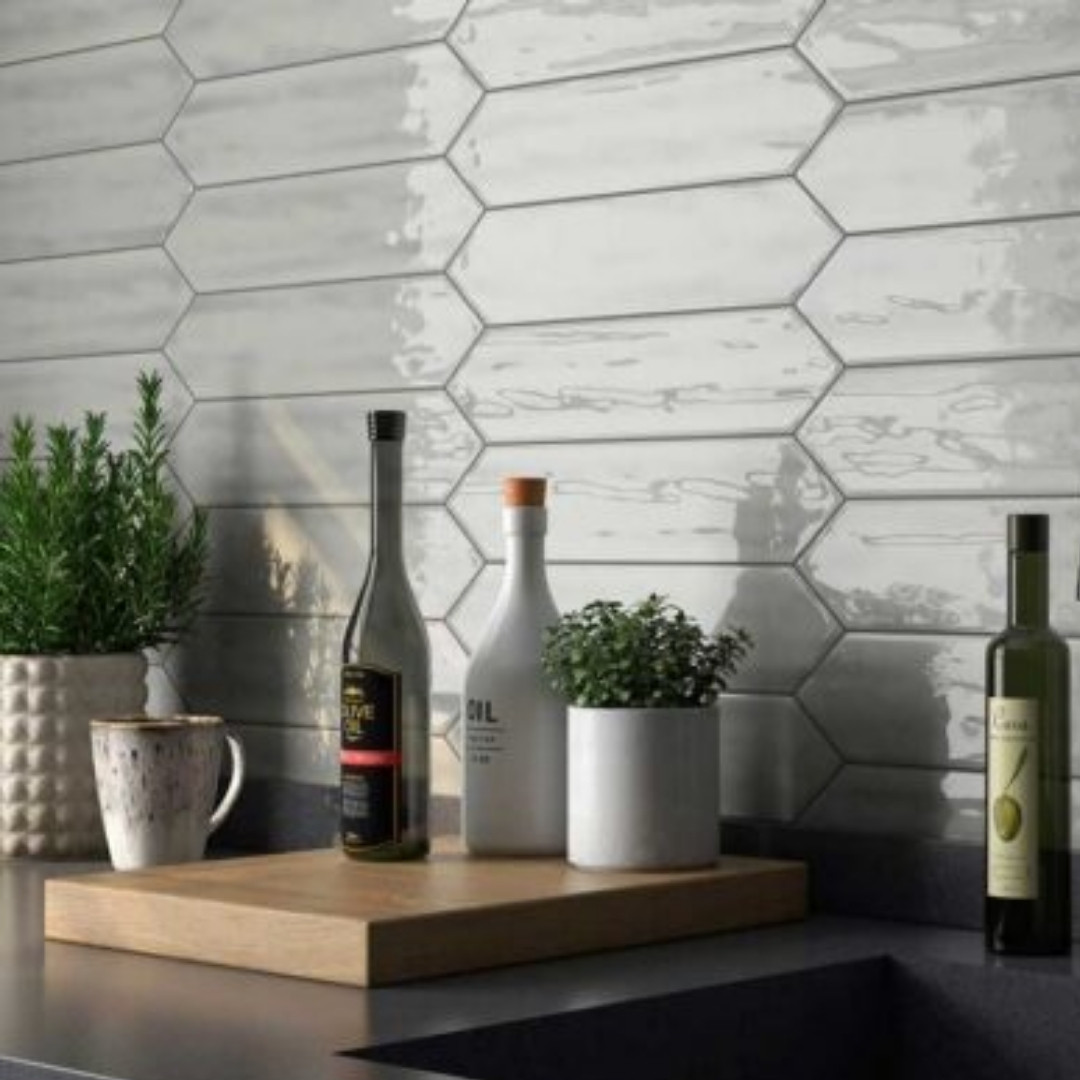
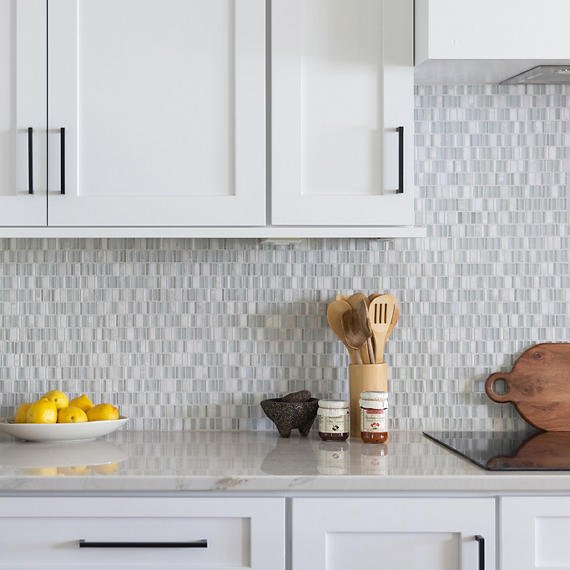
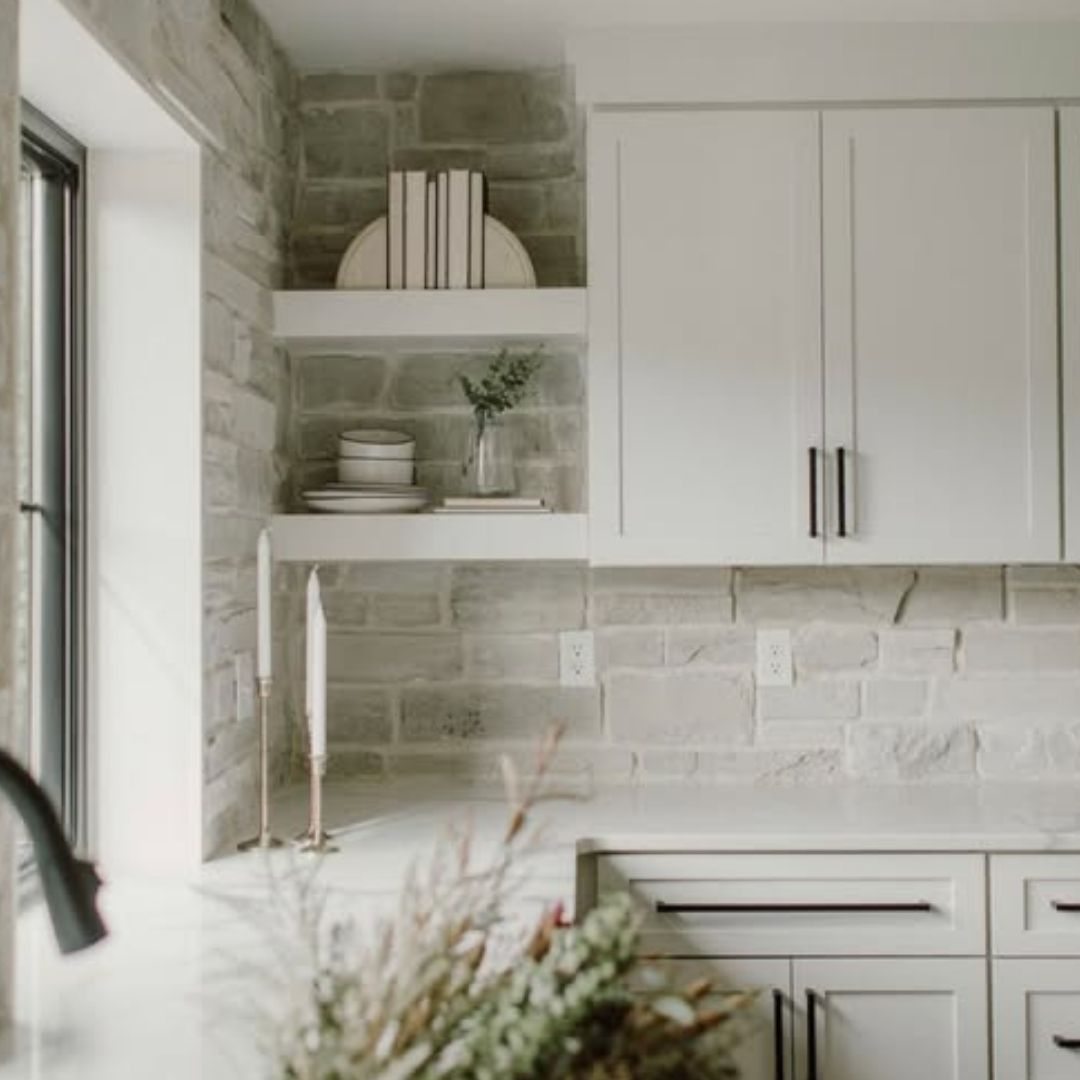
Consider the Material When Choosing Kitchen Backsplash Tile Size
Different materials behave differently depending on their size. Understanding this can help narrow your selection.
Ceramic Kitchen Backsplash Tile
Ceramic tile—which includes most subway tile backsplash designs—works well in nearly every size. Smaller ceramic tiles add charming detail, while longer ceramic subway tiles contribute modern elegance. Ceramic is forgiving, budget-friendly, and available in many handcrafted looks, making it one of the best tile for kitchen backsplash choices overall.
Porcelain Kitchen Backsplash Tile
Porcelain is ideal for large-format tile because it is strong, durable, and resistant to warping. When comparing porcelain vs ceramic tile, porcelain is generally preferred for oversized shapes or installations requiring tight grout lines. If you want a dramatic, nearly seamless backsplash, porcelain may be the best choice.
Glass Kitchen Backsplash Tile
Glass tile backsplash materials reflect light beautifully but can appear busier in very small sizes due to additional grout lines. Larger sizes or elongated glass subway tiles create sparkle without overwhelming the wall. If your kitchen needs brightness, glass is worth strong consideration.
Natural Stone Kitchen Backsplash Tile
Natural stone backsplash choices—including travertine, slate, limestone, and marble backsplash tile—look beautiful in both small and medium formats. Stone mosaics create depth and texture, while larger pieces highlight veining and natural movement. However, natural stone requires sealing as routine maintenance, so consider your tolerance for ongoing care.
Material and size go hand in hand. A tile you love in a small format may feel entirely different when repeated across a full wall. Always look at multiple sizes within the same collection when exploring backsplash tile ideas.
The Impact of Grout on Kitchen Backsplash Tile
Grout color and spacing are especially important when selecting kitchen backsplash tile size. Smaller tiles introduce more grout lines, which increases visual texture and maintenance. Larger tiles minimize grout but require precise placement to avoid uneven joints.
Matching grout to the tile color makes the wall feel clean and cohesive, which is ideal when using smaller formats. Contrasting grout emphasizes the tile pattern, which can highlight classic subway tile layouts or geometric shapes.
If you’re considering a highly textured or handcrafted tile, remember that tight grout joints maintain the artisanal look without introducing distraction. For large-format panels, extremely minimal grout spacing contributes to a modern, seamless appearance.
Grout can either amplify or soften the effect of your kitchen backsplash tile—so treat it as part of the design, not an afterthought.

Use Countertops and Cabinets as Anchors for Tile Size
Tile should never be chosen in isolation. The colors, shapes, and proportions of your cabinetry and counter surfaces should guide your final decision.
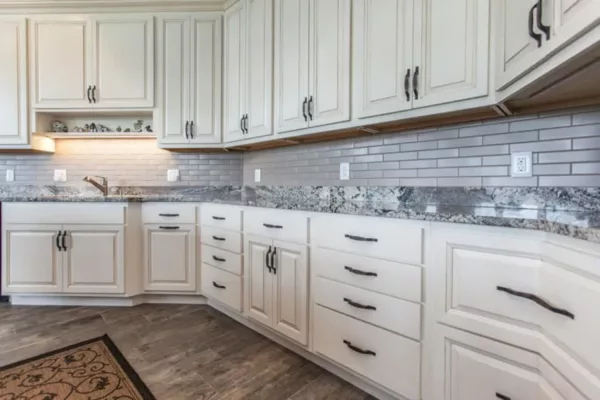
If you have bold, dramatic countertops—like heavy veining or multicolor stone—simplify the backsplash with classic tile sizes and subtle grout. If your cabinetry features detailed millwork, a small-format tile may echo that craftsmanship beautifully. On the other hand, if your kitchen is full of clean, straight lines (such as flat-panel cabinetry), larger tile sizes or elongated subway shapes will reinforce that sleek feel.
For a more in-depth look at the relationship between kitchen backsplash tile and countertops, check out our related post: “The Perfect Pair: How to Pick Backsplash to Match Countertop.”
Use Real Kitchen Constraints to Finalize Your Tile Size
Once you have a sense of the style and material, it’s time to consider practical constraints such as outlet spacing, cabinetry height variances, and wall irregularities.
Smaller tiles handle uneven walls with grace because small corrections are less visually noticeable. Larger tiles show imperfections more easily, especially when installed in a stacked pattern. If your walls are older, shifting toward a medium or smaller tile size may create the cleanest finished look.
Similarly, if you have multiple window frames, open shelving, or a uniquely shaped hood vent, choosing a tile size that cuts cleanly around these features will make the installation look purposeful rather than pieced together.
A kitchen designer or tile professional can help evaluate these constraints, but it’s a topic homeowners should definitely consider when browsing kitchen backsplash tile ideas.
Browse Kitchen Backsplash Tile at JC Huffman
Choosing the right kitchen backsplash tile size becomes much easier when you can see materials, finishes, cabinetry, and countertops together. At JC Huffman, our Fairfield showroom allows homeowners to compare ceramic, porcelain, glass, and natural stone samples alongside cabinetry styles, countertop materials, and hardware selections. Because we offer full home interior solutions—including cabinetry, countertops, flooring, tile, and stone—you can evaluate how each backsplash tile size interacts with the rest of your kitchen design. Our team guides you through proportions, material choices, and practical considerations so your final selection feels thoughtful, cohesive, and beautifully suited to your home.
Schedule an appointment with one of our design experts today to get started!
Conclusion
Selecting the perfect kitchen backsplash tile size doesn’t have to be complicated. When you consider your kitchen’s proportions, your preferred aesthetic, your daily routines, and the strengths of each tile material, the right option naturally emerges. With thoughtful planning and the right guidance, your backsplash becomes a beautiful, functional detail that ties your entire kitchen together.
FAQ: Kitchen Backsplash Tile
1. What tile size works best for a kitchen backsplash?
A 3×6 tile works well in most kitchens, but the best size depends on your layout and how much visual detail you want.
Smaller tiles add texture and character, while larger tiles reduce grout lines and create a cleaner, more modern look. The right choice comes from balancing your kitchen’s proportions with the atmosphere you want to create.
2. Should backsplash tile go all the way to the ceiling?
It’s not required, but many homeowners choose this for a more polished, custom look.
Tiling to the ceiling draws the eye upward and creates a sense of height, especially behind a range hood or around windows. Stopping at the cabinets is still a classic option, but full-height installations add impact without changing the footprint of the kitchen.
3. What are the most popular backsplash tile materials?
Ceramic, porcelain, glass, and natural stone are the most commonly used materials.
Each brings something different: ceramic offers variety, porcelain delivers durability, glass adds brightness, and natural stone contributes warmth and texture. Choosing the right one depends on how you cook, clean, and want the space to feel.
4. Is porcelain or ceramic better for a kitchen backsplash?
Porcelain is more durable, while ceramic provides more design flexibility.
Porcelain works well in large formats and high-use kitchens because it resists moisture and heat. Ceramic is easier to cut and comes in a wide range of shapes and colors. Most kitchens can use either, so the decision often comes down to style and budget.
5. What backsplash tile makes a kitchen look bigger?
Larger, lighter tiles with minimal grout lines make a kitchen feel more open.
Light-colored or reflective tiles bounce light around the room, helping small spaces feel brighter. When the wall has fewer grout breaks, the backsplash reads as one larger surface, which naturally expands the visual width of the kitchen.
6. How high should a kitchen backsplash be?
Most backsplashes extend from the countertop to the bottom of the upper cabinets, but higher installations are becoming more popular.
This standard height offers good protection, but running tile to the ceiling or up to a range hood adds height and visual interest. The right choice depends on your kitchen’s architecture and how much emphasis you want the backsplash to have.
7. What grout color or size should I use with my backsplash tile?
Choose grout that supports the tile—either blending in or emphasizing the pattern.
Matching grout creates a seamless surface, while contrasting grout outlines each tile for a more graphic look. Narrow grout joints work best with modern or large-format tiles, while wider joints accentuate handcrafted or textured styles.
8. Can mosaic tile be used as a kitchen backsplash?
Yes, mosaic tile works well when used thoughtfully.
Mosaics add pattern, depth, and detail, making them great for feature areas. Because they introduce more grout lines, they may require more frequent cleaning in busy cooking zones, so many homeowners pair them with larger field tiles to strike a balance.
9. Do I need to seal backsplash tile or grout?
Most grout needs sealing, but the tile itself only needs sealing if it’s natural stone.
Ceramic and porcelain don’t absorb stains, but stone materials like marble or limestone require sealing to prevent discoloration. Sealing the grout helps keep it looking clean and reduces the chance of staining behind the cooktop.
10. How many tiles do I need and how much extra should I order?
Measure your backsplash and order 10–15% extra to account for cuts and future repairs.
The additional material allows for layout adjustments, breakage, and trimming around outlets or corners. Having extra pieces stored away is helpful if a tile ever cracks and you need an exact match later.