Why Homeowners Choose Fireplace Inserts in Fairfield, IA
If you’ve ever sat near your fireplace on a January night and still felt a chill in the room, you’re not imagining it. Many traditional fireplaces aren’t actually efficient at providing heat, and some actually pull warm air out of the house as they draft. That’s why fireplace inserts have become such a popular product.
A fireplace insert in Fairfield, IA is a practical upgrade that keeps the character of a hearth while making it work harder for your home. The tricky part is that “insert” isn’t one product, but rather a category that contains several different options. The right choice depends on how your house is built, how you actually use the room, and what kind of day to day upkeep you’re willing to take on.
This guide to fireplace inserts will walk you through the four main types—wood, gas, electric, and pellet—in a way that helps you picture each one in a real Fairfield home. You’ll see how they work, what your existing fireplace and chimney may require, and how cost and efficiency compare so you can move forward with a confident selection.
Types of Fireplace Inserts & How They Work
Not all fireplace inserts work the same way. Each type uses a different fuel source and a different method for producing and circulating heat, which affects everything from comfort to upkeep. Here’s a clear look at how wood, gas, electric, and pellet inserts operate.
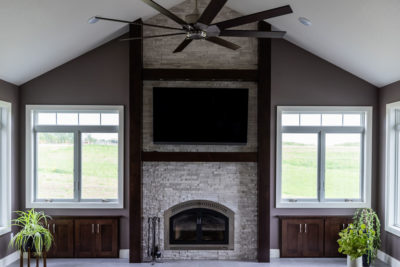
Wood Burning Fireplace Insert
A wood insert is a sealed firebox that slides into an existing masonry fireplace and vents through the chimney using a stainless steel liner. You build a real wood fire inside, and the insert controls airflow to burn cleaner and more steadily than an open fireplace. Many models include a blower that moves heated air into the room, turning a once drafty fireplace into a dependable heat source.

Gas Fireplace Insert
A gas fireplace insert is a sealed unit that runs on natural gas or propane. It sits inside an existing fireplace opening and vents through a dedicated liner or direct vent system, depending on the model and the home. You get controlled, consistent heat at the push of a button or remote, with flame patterns designed to look natural without the maintenance of hauling wood or cleaning ash.
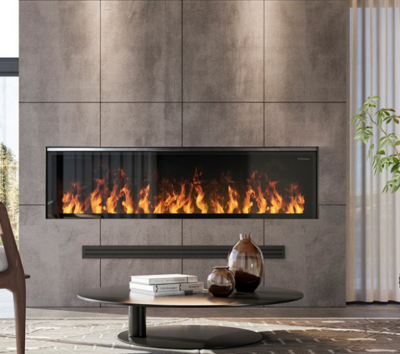
Electric Fireplace Insert
An electric insert uses electricity to create the look of flames, then warms the room with a built in heater (often fan forced). Some models are designed to slide into an existing fireplace opening, while others can be installed in a cabinet or media wall with trim work for a built-in look. Electric inserts are popular for homeowners who want the visual comfort of a fireplace without venting, gas lines, or fuel storage.
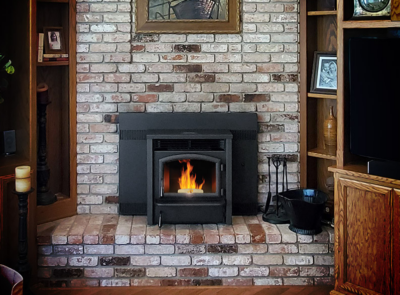
Pellet Fireplace Insert
A pellet insert burns compressed wood pellets that feed from a hopper into the burn pot at a controlled rate. Like wood inserts, pellet inserts typically vent through the chimney with an appropriate liner, but they rely on electricity to run the auger and fans. The result is steady heat with less hands-on effort than traditional firewood, plus a fuel option that is easy to store and measure.
How Your Home’s Architecture Impacts the Right Insert Choice
Your home’s layout and existing infrastructure can narrow the options faster than any feature list. Chimney condition, venting paths, available utilities, and room size all influence what will install cleanly and perform well. Here’s how each insert type typically fits (or doesn’t) with common home setups.
Wood Burning Fireplace Insert
A wood insert usually makes the most sense when you already have a masonry fireplace and chimney that can be lined correctly. Room size matters because wood inserts can produce significant heat, especially in tighter living rooms, smaller farmhouses, and older Fairfield homes with defined gathering spaces. You will also want to consider clearances to mantels, trim, and nearby built-ins, since real fire heat requires careful spacing and proper noncombustible protection.
Gas Fireplace Insert
A gas insert is a great fit when the fireplace is in a main living space you use every day. Because gas inserts are sealed and controlled, they work well when you want quick warmth without managing wood or pellets. The main architectural factor is the fuel supply—if a gas line is already nearby, it’s usually a straightforward upgrade; if not, adding one can require opening finished walls or choosing propane and planning for a tank location. Venting matters too. If your home does not have a usable chimney, certain direct vent models may still work, but vent routing and exterior wall access become key design factors.
Electric Fireplace Insert
Electric inserts are the most architecture friendly option because they do not require venting. That makes them a practical solution for basements, bedrooms, home offices, and additions where a traditional fireplace was never part of the plan. They also work nicely when you want the fireplace to look integrated into custom cabinetry, built-ins, or a media wall. If your goal is zone heating for a single room and a clean, finished appearance, electric often checks the box.
Pellet Fireplace Insert
Pellet inserts work well in homes that have a fireplace and chimney path that can be properly vented, and in spaces where steady heat is valued. Because pellets are fed automatically, the heat output can feel more consistent than a wood fire. That said, you will need a plan for pellet storage, a nearby outlet, and enough room for service access. In many Iowa homes, pellet can be a good middle ground between the traditional feel of wood and the convenience of a controlled fuel source.
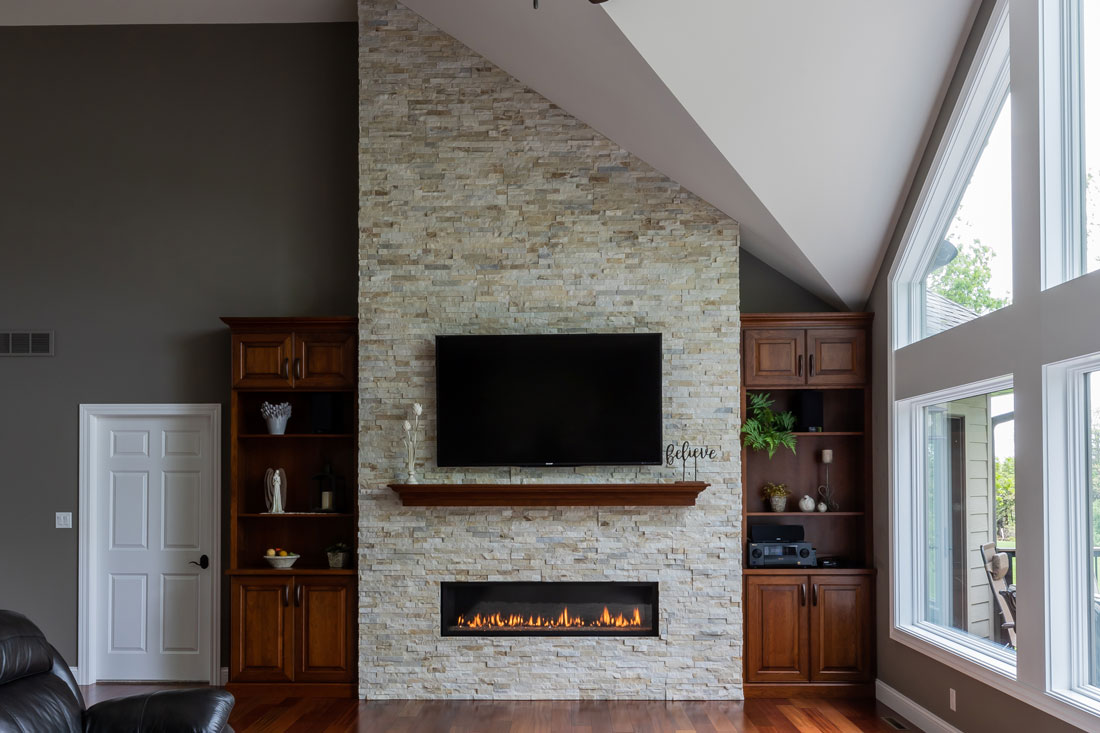
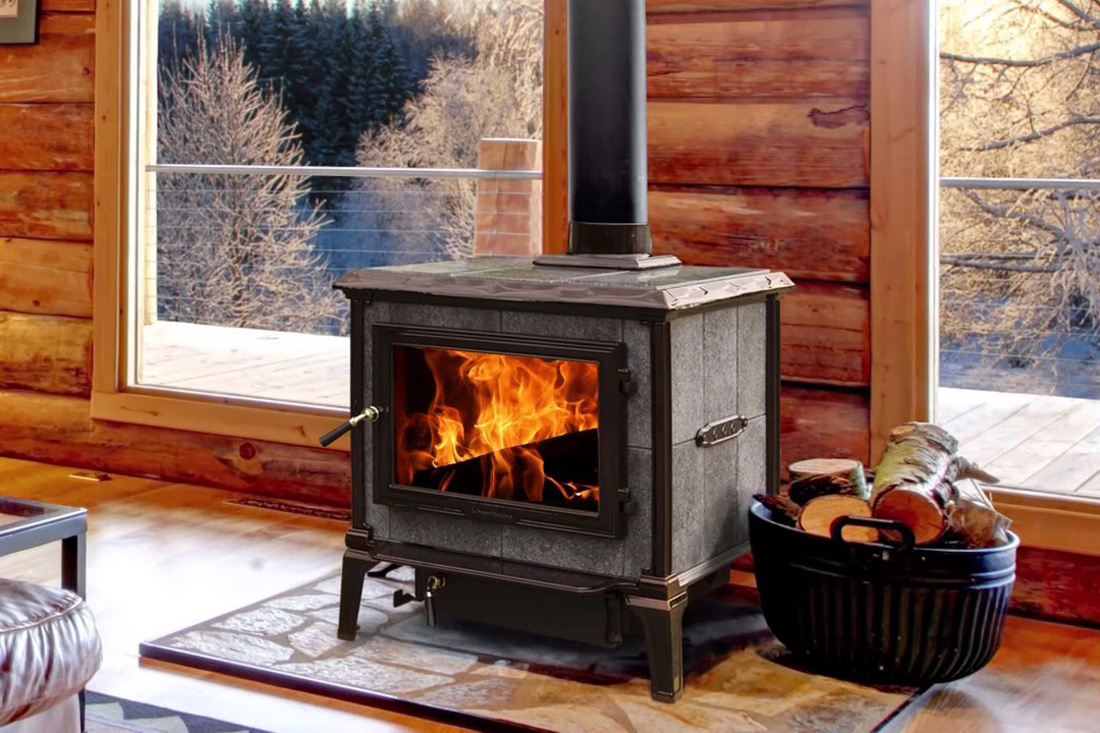
Fireplace Insert vs Wood Stove: How to Think About the Difference
Homeowners often ask about a fireplace insert vs wood stoves, and the answer usually comes down to placement and purpose.
A wood stove is freestanding and becomes a feature in the room, often requiring a new hearth pad and a dedicated vent path. It can be an excellent heater and a beautiful focal point, but it changes the room layout and takes up floor space. An insert is designed to use an existing fireplace opening, so it keeps the footprint contained and maintains the original architectural intent of the hearth. If you already have a fireplace in Fairfield, an insert is often the cleaner path to better heat without redesigning the room around a freestanding appliance.

Fireplace Insert Installation: What to Plan for Before You Choose
No matter which type you choose, fireplace insert installation should start with a careful look at your existing fireplace, venting, and clearances.
For wood and pellet inserts, chimney condition and proper lining are critical. Many homes benefit from a stainless steel liner sized to the insert so it drafts correctly and operates safely. Gas inserts require the right venting approach and a gas supply line that meets code. Electric inserts need a dedicated power plan, especially if you are building the fireplace into cabinetry or a wall feature.
Beyond the technical details, installation is also about the finished look. Trim, surround options, mantel proportions, and hearth materials all shape how the fireplace feels in the room. This is where a showroom experience is valuable, because you can compare styles and finishes side by side and make selections that match the rest of the home.
Efficiency Comparison: Which Insert Heats Best?
Efficiency is not only about a number on a spec sheet. It is also about how reliably the fireplace warms your room, how often you will use it, and how much effort you want to put into operation and upkeep.
Wood Burning Fireplace Insert—Strong heat with hands on operation
A wood insert can produce impressive heat and can be a true space heater when sized correctly. It performs best when the fuel is seasoned and dry, and when the chimney and liner are set up for proper draft. If you like the ritual of a real fire and you are comfortable managing wood and ash, wood can be a satisfying and effective choice.
Gas Fireplace Insert—Efficient comfort with quick control
Gas inserts offer consistent, controllable heat. They are easy to turn on for an hour in the morning or to warm up the room in the evening without planning ahead. For many Fairfield homeowners, that convenience translates into more frequent use, which can make the investment feel worthwhile.
Electric Fireplace Insert—Best for zone heating
Electric inserts convert electricity to heat efficiently in the room, but they are generally best for supplemental warmth rather than whole home heating. They shine in spaces where you want cozy comfort without changing the structure of the home. Think bedrooms, offices, and finished basements, or living rooms where the fireplace is more about atmosphere than maximum heat output.
Pellet Fireplace Insert—Steady heat and controlled burn
Pellet inserts can be very efficient because the fuel feed is controlled and the burn is steady. They are often a good match for homeowners who want dependable warmth with less manual effort than wood, while still using a solid fuel. Because they rely on electricity, you will also want to consider how you want the system to behave during power outages.
Fireplace Insert Costs: What Iowa Homeowners Can Expect
Every project is unique, but it helps to compare costs in a realistic way. Fireplace insert costs are influenced by the unit itself, venting needs, installation complexity, and finish materials.
Wood Burning Fireplace Insert Cost Range
Wood inserts often land in the mid to higher range once you include chimney lining, hearth protection updates, and installation. The insert may be priced competitively, but the venting work and labor can add up, especially in older chimneys that need attention. Wood also comes with ongoing fuel and maintenance considerations.
Gas Fireplace Insert Cost Range
Gas inserts can range widely. The unit price varies by features like ignition type, flame realism, fan systems, and heat output. Installation can be straightforward when gas is already available and the chimney can be vented properly, but it can increase if a new gas line is needed or venting must be rerouted. The upside is convenience and predictable operating costs.
Electric Fireplace Insert Cost Range
Electric inserts are often the most budget friendly to install because there is no venting and no fuel line. Costs rise when you add built-in framing, stone veneer, cabinetry, or trim details that make the fireplace feel architectural. If you want a custom look without a chimney project, electric can be a smart value.
Pellet Fireplace Insert Cost Range
Pellet inserts typically sit between wood and gas depending on model features and venting needs. You may still need chimney liner work, plus an electrical connection. Ongoing costs depend on pellet pricing and availability, and you will want to plan for regular cleaning and service to keep performance strong.
A helpful way to think about budget is to separate the project into four parts: the insert, the venting or utility work, the installation labor, and the finish selections. Once you know where your home stands in each category, you can make a confident decision without guesswork.
Fireplace Inserts in Fairfield, IA
JC Huffman is proud to be a trusted source for fireplace inserts in Fairfield, IA. If you’ve been researching online and still feel unsure, you’re not alone. Inserts can look similar on a screen, but in real life the differences in heat output, controls, flame look, and finish details matter.
When you stop in, we’ll walk through options with you in plain language and help you narrow it down based on your home and how you want to use the space. You can see styles and surround choices up close, compare wood, gas, electric, and pellet inserts side by side, and ask our knowledgeable team any questions you may have.
Schedule a consultation today to ward off those winter chills tomorrow!
Summary
The best fireplace insert in Fairfield, IA is the one that fits your home’s structure and the way you want to live in the space. Wood offers traditional heat and a real fire experience. Gas provides convenience and steady warmth. Electric gives flexibility in homes and rooms without a chimney. Pellet balances efficient heat with a controlled burn and manageable fuel.
FAQ: Fireplace Inserts in Fairfield, IA
1. Do I need an existing fireplace and chimney to install a fireplace insert?
Most inserts are designed to fit into an existing fireplace opening, but you don’t always need a traditional masonry fireplace and chimney for every type. What you do need is a safe, code compliant way to vent (if required) and a properly sized opening or buildout.
Wood and pellet inserts usually assume you’re converting a wood burning fireplace and using the chimney as the vent path (with a liner). Gas inserts often use the existing fireplace and chimney too, but some models can vent out an exterior wall. Electric inserts are the most flexible because they don’t need venting at all, which makes them workable in homes without chimneys.
2. Will I need a chimney liner for a wood burning or pellet fireplace insert?
In most cases, yes. A properly sized liner is a key part of making a wood burning or pellet insert operate safely and draft correctly. It also helps protect the chimney structure from heat and byproducts over time.
The liner choice depends on the insert, the chimney’s condition, and how the chimney is built. Even if a chimney looks “fine” from the outside, the inside can have cracks, gaps, or a flue size that doesn’t match modern insert requirements. A liner helps create a controlled path for exhaust, which is one reason inserts heat better than open fireplaces.
3. Can a gas fireplace insert work if I don’t already have a gas line nearby (or if my home is propane)?
Yes, but the gas supply is one of the biggest practical limitations. If a natural gas line isn’t already near the fireplace wall, the project may involve running a new line through finished areas, which can affect cost and installation complexity.
If you don’t have natural gas service, propane can still be an option with the right insert setup, but then you’re also planning for tank placement and routing. Either way, the best next step is to confirm what fuel is available and how easily it can reach the fireplace location because that’s often what determines whether a gas insert is “simple” or “significantly more involved.”
4. Can a gas fireplace insert work without a usable chimney (direct vent options)?
Often, yes. Some gas inserts can vent directly through an exterior wall, which can be a solution for homes with no chimney, a chimney that isn’t suitable, or a layout where relining isn’t realistic.
The main constraint is the path to the outside. You need a clean route for venting and a proper exterior termination location, which can be affected by siding, windows, decks, landscaping, and where the fireplace sits in the floorplan. If your fireplace is on an interior wall with no nearby exterior access, a direct vent install may be harder. Or, it may shift the decision toward another insert type.
5. How much does a fireplace insert cost installed (wood vs gas vs electric vs pellet)?
Expect the installed cost to vary widely based on the insert type and what your home needs to support it. Electric is often the lowest installed cost because there’s no venting or fuel line, while wood, pellet, and gas can rise based on liner work, vent routing, or adding a gas line.
Wood and pellet costs often hinge on chimney condition and liner requirements. Gas costs can swing depending on whether a gas line is already nearby and whether the venting can use the chimney or needs a new route. The most accurate way to budget is to look at the unit, the venting or gas work, and the finish pieces separately because the “fireplace” cost isn’t only the insert.
6. How do I choose the right insert size for my room (BTUs and square footage)?
Start with the room you actually want to feel warmer, not the whole house. An insert that’s too small will run constantly and still feel underwhelming. One that’s too large can make the space uncomfortably hot and lead to less efficient operation.
Square footage helps, but ceiling height, insulation, open floor plans, and how the room connects to hallways or staircases matter just as much. A large open concept room in an older home can behave very differently than a smaller, closed off living room. The goal is a size that comfortably heats the space you use most without forcing you to “fight” the insert to stay comfortable.
7. Which is more efficient: an open fireplace, a fireplace insert, or a wood stove?
In most situations, an insert or a wood stove will outperform an open fireplace by a noticeable margin. Open fireplaces tend to lose a lot of heat up the chimney and can pull warmed air from the home, which is why they often feel cozy up close but don’t warm the room well.
A fireplace insert improves efficiency by sealing the firebox and controlling airflow, which converts more combustion into usable heat. A wood stove can be highly efficient too, but it changes the footprint of the room and requires dedicated clearances and venting. If you already have a fireplace you like, an insert is often the easiest way to get better heat without redesigning the space.
8. Do gas fireplace inserts require electricity to operate (and what happens during a power outage)?
Many gas inserts can still produce heat without electricity, but features may change during an outage. If the insert uses a standing pilot or battery backup ignition, you may be able to turn it on and get heat even if the power is out.
What you may lose is the blower, remote functions, or some electronic controls—so the insert might still heat, just with less circulation. The right question to ask is how you expect to use it on storm nights. If backup heat matters, choose a model and ignition setup that matches that goal.
9. What kind of maintenance and cleaning does each insert type need?
Each type has its own “maintenance personality.” Wood inserts require ash removal, chimney cleaning, and attention to wood quality because wet wood causes more buildup and weaker performance. Pellet inserts need regular cleaning of the burn pot and ash areas and occasional deeper service to keep sensors and fans working well.
Gas inserts usually need light annual service—cleaning, inspection, and making sure venting and burners are operating correctly. Electric inserts are typically the simplest day to day, usually limited to dusting and basic checks. The best choice often comes down to how much ongoing effort you want to commit to once the excitement of the new fireplace wears off.
10. What does fireplace insert installation typically involve (inspection, venting, clearances, code considerations)?
A solid installation usually starts with an evaluation of the existing fireplace and the space around it—opening size, hearth condition, nearby trim or mantels, and how the venting will run. For wood and pellet, that often includes planning for a correctly sized liner. For gas, it includes venting and confirming the fuel supply route.
Then it’s about fit and finish: setting the insert, connecting venting or utilities, verifying safe clearances, and finishing the surround so it looks intentional, not like an afterthought. A good install isn’t just “getting it in there.” It’s making sure it operates safely, drafts properly (when applicable), and feels like it belongs in your home.