Spring into a Custom Cabinet Remodel!
A custom cabinet remodel starts long before installation day, and spring is the smartest time to begin. Planning, measurements, layout decisions, material selections, and production lead times can stretch the process across several months, so starting now gives you the breathing room to make confident choices and stay on schedule to enjoy your brand new kitchen for the holidays. In this article, you’ll learn why custom cabinetry is worth considering, how the cabinet design process unfolds, what a realistic cabinet project timeline looks like, and how to start planning with measurements, layout, style decisions, and cost in mind.
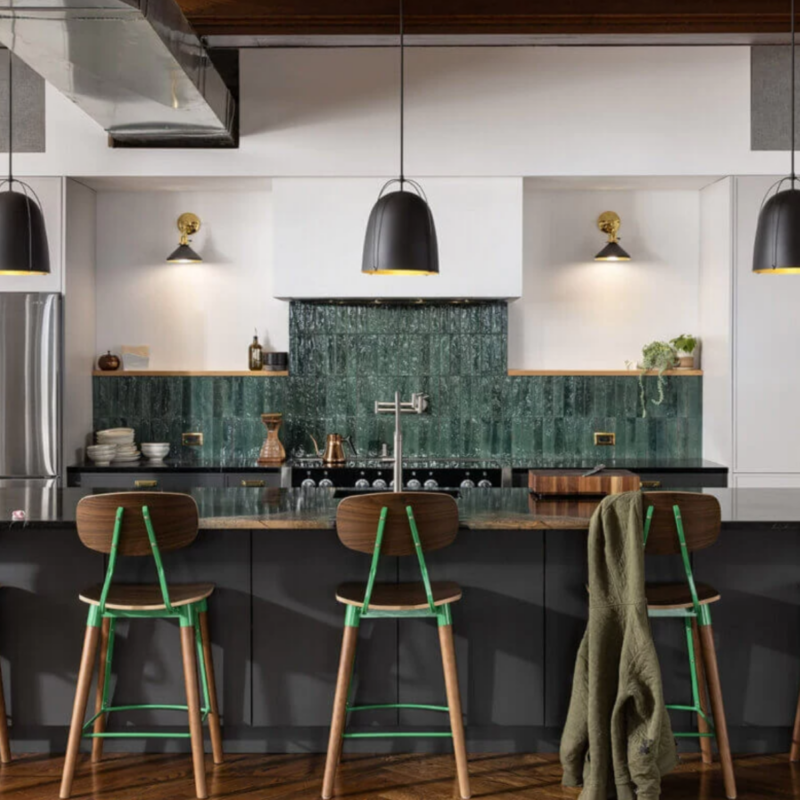
Why Choose Custom Cabinets for Your Remodel?
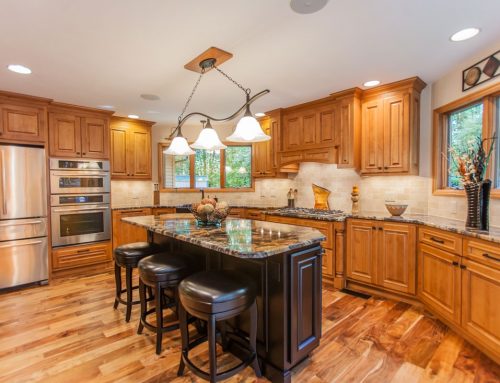
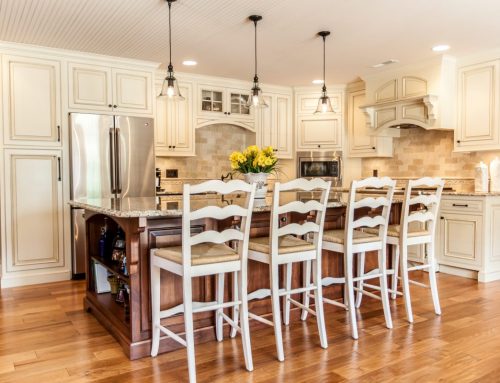
A custom cabinet remodel isn’t just about a new look. It’s about building cabinetry that fits your space, your storage needs, and the way you move through your kitchen. Stock cabinetry can be a decent option in certain situations, but you’ll be severely limited by the few standard size and style options available. In contrast, custom cabinetry is designed to be virtually limitless.
Here are a few reasons homeowners choose custom cabinets for a remodel:
An Exact Fit for Your Space
Many kitchens have details that standard cabinets struggle to accommodate: uneven walls, unique corners, or atypical soffits or ceiling heights. Custom cabinetry is built for those realities, which helps the finished kitchen feel cohesive instead of pieced together.
Optimal Floorplans
Good kitchen cabinet layout planning does more than decide where cabinets go. It can improve traffic flow, increase prep space, reduce clutter on counters, and create zones that match how your household cooks and gathers.
Intentional Storage
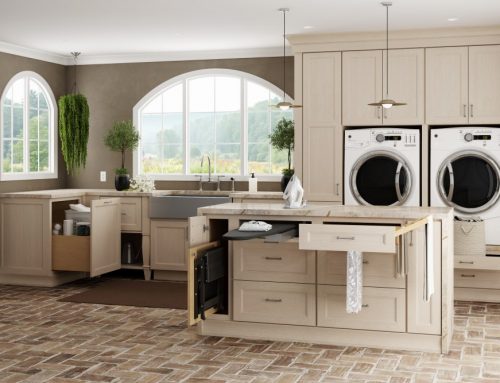
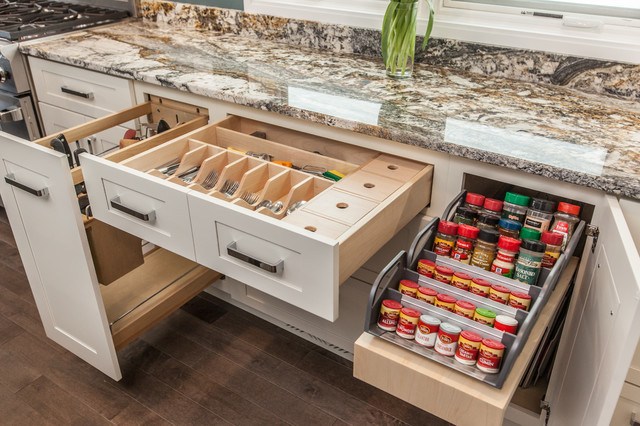
Custom cabinets allow for purposeful storage: deep drawers where you need them, vertical dividers, tray storage, pull outs, waste and recycling solutions, and pantry planning that makes sense for your routine. Instead of trying to “make it work,” the cabinetry is designed to actually work.
Lasting Style and Craftsmanship
Custom cabinetry is also a long term investment in quality. With the right materials, finishes, and construction, a custom cabinet remodel can deliver beauty and durability that will endure for decades to come.
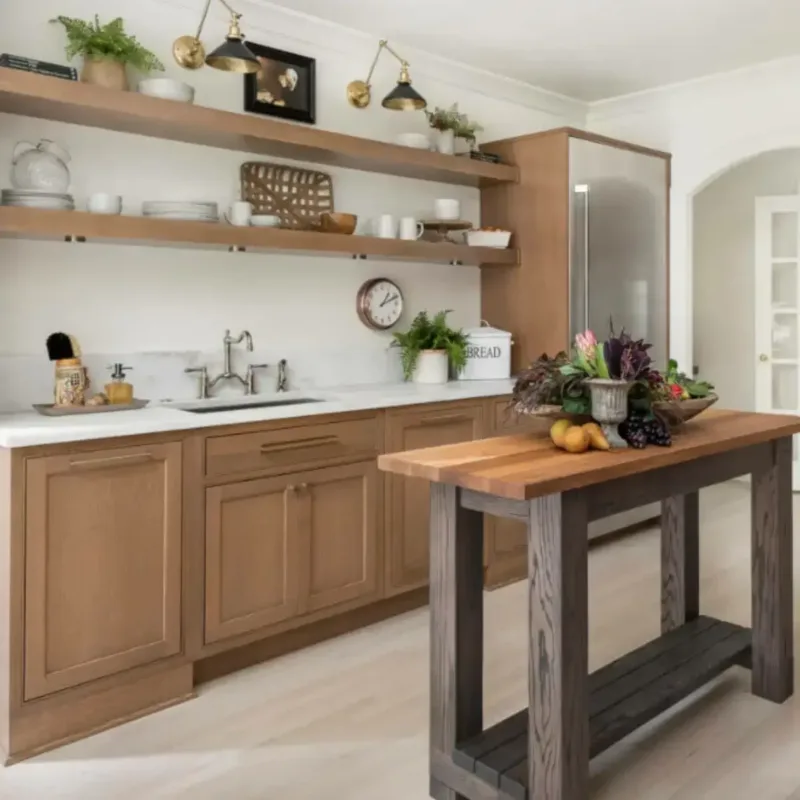
How to Start Planning Your Custom Cabinet Remodel
Spring is the ideal time to start planning your custom cabinet remodel because the best results come from thoughtful decisions made early, not rushed choices made late. Here are a few steps you can take to start planning your custom cabinet remodel prior to scheduling a formal design consultation.
Take Preliminary Measurements
You don’t need perfect measurements to begin planning, but you do need a general understanding of your space.
Start with:
- Room length and width
- Ceiling height
- Window and door locations
- Existing appliance sizes and locations
- Island dimensions (if applicable)
These early measurements help you have smarter conversations and set realistic expectations for layout possibilities.
Identify Current Pain Points
A custom cabinet remodel is most successful when it solves real problems. Walk through a normal day in your kitchen and take note of what does and doesn’t work.
Consider:
- Is there adequate storage? Are stored items easy to access?
- Do you have dead corners or cabinets that are hard to reach?
- Is the trash location awkward?
- Do drawers feel too small or too shallow?
- Does the kitchen feel tight when more than one person is cooking?
Make a short list of what you want to change and what you want to keep. That list becomes the backbone of your cabinet design process.

Begin Thinking About Style Decisions
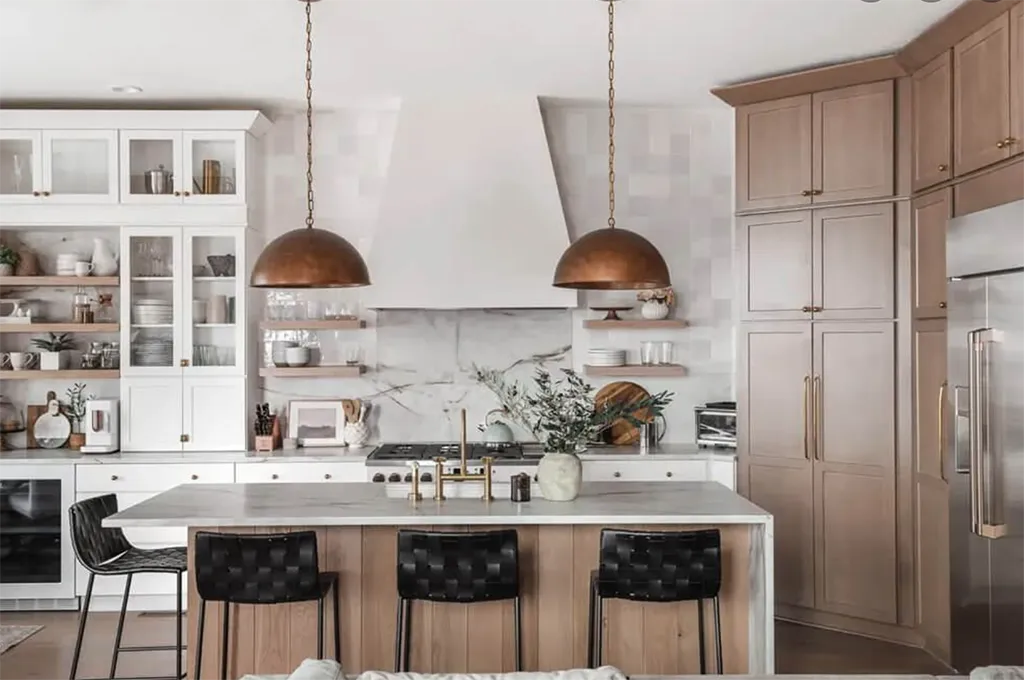
A custom cabinet remodel offers almost endless style possibilities. While your design consultant can help with selections, it’s a good idea to start narrowing down which styles align with your home and personal aesthetic so you have a solid starting point.
Door Style
Door styles like shaker, raised panel, slab, and other profiles create very different moods. The best choice is often the one that complements your home’s architecture and your personal style.
Color and Finish
Painted cabinetry can feel crisp and bright, while stained wood highlights natural character. Finish sheen and durability matter too, especially in high-use kitchens.
Hardware
Cabinet hardware is the finishing detail you touch every day, so it should feel solid in your hand and make opening doors and drawers effortless. The right knobs and pulls also help define the look of the kitchen, whether your style leans classic, modern, or somewhere in between.
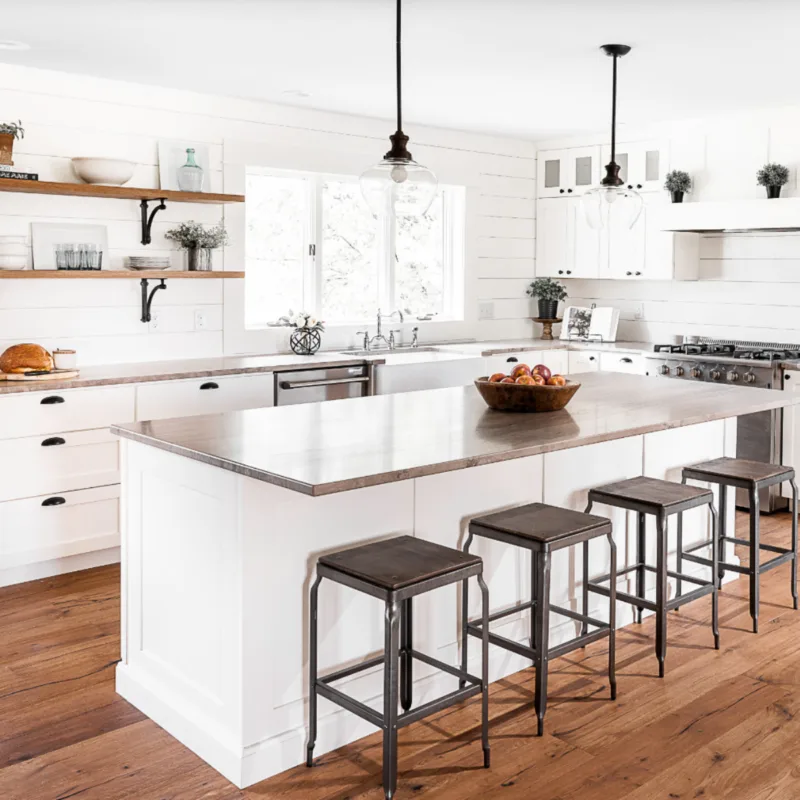
Cabinet Project Timeline of a Custom Cabinet Remodel
Custom cabinetry requires time to design, build, and install correctly. When you begin planning in spring, you’re giving yourself a realistic runway for a timeline that can span several months from the first consultation to the finished result, especially when lead times are a factor. The steps below explain what happens at each phase, how long it typically takes, and what you can do to keep the process moving smoothly.
Step 1: Initial Consultation and Project Discovery
Typical timeframe: 1 to 2 weeks to schedule, depending on season and availability.
This first step is about understanding your goals, your kitchen, and your priorities. You’ll discuss what you want to change, what you want to keep, and what success looks like for your custom cabinet remodel. If you have inspiration photos, bring them. If you have pain points, list them. This conversation sets the direction for the cabinet design process.
What to expect:
- Discussion of goals, style preferences, and functional needs
- High level budget alignment, including what drives custom cabinet cost
- Next steps for measurements and design development
Step 2: Site Visit and Detailed Measurements
Typical timeframe: 1 to 2 weeks after the initial meeting.
Accurate measurements are essential. Small details like ceiling height, window trim, appliance clearances, and door swings all affect design. Even if you already took preliminary measurements, the design team will confirm exact dimensions for planning and production.
What to expect:
- Comprehensive measurements of walls, openings, and key features
- Notes on electrical, plumbing, and appliance locations
- Early insights on layout possibilities and constraints
Step 3: Design Development and Kitchen Cabinet Layout Planning
Typical timeframe: 2 to 6 weeks.
This is where ideas become a plan. The team develops the layout, cabinet sizes, storage zones, and design direction. Strong kitchen cabinet layout planning considers how you move through the kitchen, where you prep, where you clean up, and how multiple people use the space at once.
What to expect:
- Layout options and refinements
- Storage planning and accessory ideas
- Early discussion of cabinet material options and finishes
- Budget checkpoints so decisions stay aligned
Step 4: Selections and Design Approvals
Typical timeframe: 1 to 4 weeks.
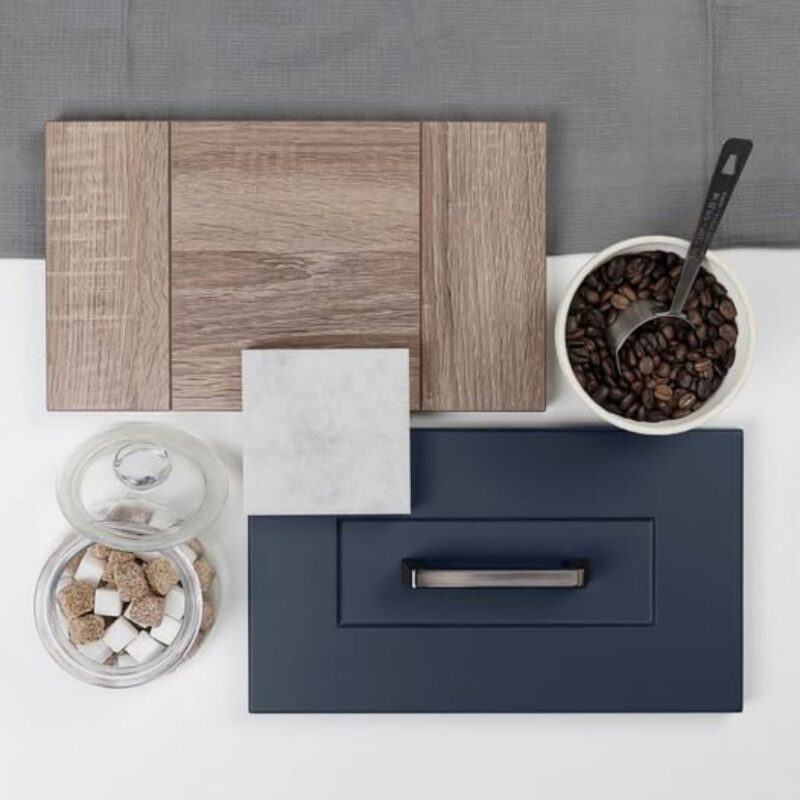
Selections are where your kitchen starts to feel real. Door style, color and finish, hardware, and interior storage choices get finalized. This phase can move quickly if you have a clear vision, or it can take longer if you are comparing options.
What to expect:
- Door style and finish approvals
- Hardware selection and placement guidance
- Decisions on storage accessories and inserts
- Coordination planning for other products such as countertops, appliances, flooring, and tile
Step 5: Final Documentation and Ordering
Typical timeframe: 1 to 2 weeks.
Once the design is approved, the project moves into production preparation. Final details are confirmed, materials are ordered, and the project is scheduled into the build plan.
What to expect:
- Final drawings or specification confirmation
- Ordering of materials and any specialty items
- A clearer view of lead times and installation scheduling
Step 6: Production and Finishing
Typical timeframe: often 6 to 12 weeks, sometimes longer depending on complexity and workload.
This is the heart of the custom cabinet remodel timeline. Cabinetry is built, finished, and prepared for installation. Timeframes vary based on complexity, finish type, and overall production schedules.
What to expect:
- Cabinet construction and finishing steps
- Progress updates as milestones are reached
- Coordination with your contractor or remodel schedule if other work is happening
Step 7: Site Preparation and Demo
Typical timeframe: 1 to 2 weeks, depending on scope.
If you are replacing old cabinetry, demo and site preparation must be completed before installation. If walls, flooring, or plumbing are changing, those trades need to be scheduled so the site is ready.
What to expect:
- Removal of old cabinetry if applicable
- Wall prep, paint planning, and any required repairs
- Confirmed readiness for cabinet installation day
Step 8: Cabinet Installation
Typical timeframe: a few days to 2 weeks, depending on project size.
Installation is where the design becomes your real kitchen. Skilled installation is critical for alignment, fit, and long-term performance.
What to expect:
- Base cabinet installation and leveling
- Wall cabinet installation and alignment
- Panels, trim details, and finished ends
- Coordination timing for countertops and appliances
Step 9: Final Touches and Project Completion
Typical timeframe: 1 to 3 weeks after installation, depending on coordination.
This stage includes hardware, adjustments, touch ups, and any remaining punch list items. Countertops and appliances often happen during or immediately after installation, so final timing depends on trade schedules.
What to expect:
- Hardware installation
- Door and drawer adjustments
- Finish touch ups as needed
- Final walkthrough and care guidance
Cost of a Custom Cabinet Remodel
Custom cabinetry is one of the most significant investments in a kitchen remodel, so homeowners should discuss cost with their design consultant early on to set a realistic budget. The custom cabinets cost can vary based on size, scope, and selections.
Key factors that influence custom cabinets cost include:
- Size of the kitchen and cabinet quantity
- Door style and finish complexity
- Interior accessories and storage upgrades
- Construction details and craftsmanship level
- The range of cabinet material options selected
- Layout changes that require additional construction work
If budget constraints arise, it’s helpful to prioritize selections. If storage upgrades matter most, you can invest there. If you want a statement finish, you can plan for that. A guided design process helps align the wish list with a realistic plan.
Easy Checklist to Start Planning Your Custom Cabinet Remodel
Use this checklist to feel prepared and make the first consultation more productive.
✓ Gather several inspiration photos that reflect your style.
✓ Write down your top 3 priorities for the remodel.
✓ List what does not work in your current kitchen.
✓ Measure the room and ceiling height as a starting point.
✓ Note appliance brands and sizes if you plan to keep them.
✓ Decide whether you want to change the layout or keep the footprint.
✓ Think through your ideal storage, including pantry needs.
✓ Identify any must have features like trash pull out or appliance storage.
✓ Consider your comfort range for custom cabinets cost.
✓ Make a short list of questions about materials, finishes, and timeline.
JC Huffman—Fairfield, IA’s Trusted Partner for Custom Cabinet Remodels
When you’re planning custom cabinets in Fairfield IA, local expertise matters. JC Huffman is a family-owned cabinetry and home products company based in Fairfield, Iowa, known for quality custom craftsmanship and practical guidance for homeowners.
Our team helps you navigate the full cabinet design process—from early layout planning through final selections—with an approach that is calm, clear, and focused on lasting quality. We also offer a wide range of interior products that help homeowners coordinate the full look of the space, including countertops, appliances, flooring, tile, doors, fireplaces, paint, stair systems, and more. That one stop support makes it easier to keep your remodel cohesive and well planned.
If you want a custom cabinet remodel that feels thoughtfully designed and beautifully crafted, our Fairfield team is glad to walk you through the steps and help you create a kitchen that fits your home and your life. Schedule a consultation today to get started!
Conclusion
A successful custom cabinet remodel starts with smart planning, clear priorities, and a timeline you understand, then comes to life through thoughtful design and craftsmanship. If you are considering custom cabinets in Fairfield IA, JC Huffman is ready to guide you through the cabinet design process and deliver the kitchen of your dreams.
FAQ: Custom Cabinet Remodel
1. How much does a custom cabinet remodel cost?
The cost of a custom cabinet remodel can vary depending on the size of the space, the level of detail, and the materials selected, but most homeowners can look to industry benchmarks for a realistic starting point. According to the Cost vs. Value Report, a minor kitchen remodel averages around $28,000, a major midrange remodel is about $80,000, and a major upscale remodel can exceed $160,000.
Custom cabinetry is often one of the most significant portions of that investment because it is designed and built specifically for your home. Unlike stock or semi custom options, custom cabinets are tailored in size, layout, materials, and finish, which allows for a more refined fit and a more intentional design throughout the space.
In Fairfield and similar markets, a smaller project that focuses primarily on cabinetry within an existing layout may fall toward the lower end of those ranges, while a full kitchen transformation with custom cabinetry, upgraded surfaces, appliances, and lighting will align more closely with midrange to upscale investments.
The most important thing to understand is that custom cabinetry is not just a product. It is part of a larger plan that considers how your kitchen functions, how it looks, and how it connects to the rest of your home. At JC Huffman, the process is centered on helping you make informed decisions so the final result feels thoughtfully designed, beautifully crafted, and built to last.
2. How long does a custom cabinet remodel take from start to finish?
A custom cabinet remodel typically takes several months from the first meeting to final touch ups. The timeline includes design development, selection approvals, build lead time, and installation coordination with other trades like countertops and appliances.
Planning in spring is smart because production schedules fill quickly and lead times can push a project later than homeowners expect.
3. How long do custom cabinets take to build and deliver?
Custom cabinet lead time is often 6 to 12 weeks (sometimes longer based on complexity and workload) because cabinets are built to order and finished to match your selections.
The biggest variables are finish complexity, material availability, and how full the production schedule is at the time you place the order. If your goal is to have the kitchen ready for a specific season, start the design process early so you can lock in decisions and timing.
4. What’s the difference between stock, semi custom, and custom cabinets?
Stock cabinets are pre-made in standard sizes with limited styles, finishes, and features. They are usually the most affordable option and often available quickly, but they offer the least flexibility. Semi custom cabinets start with standard cabinet lines but allow for more choices in sizes, finishes, storage features, and design details. They offer a balance between flexibility and cost. Custom cabinets are built specifically for your home, which means the sizing, layout, materials, finishes, and features can be tailored to fit your space and the way you live. In simple terms, stock cabinets offer the fewest choices, semi custom cabinets offer more flexibility, and custom cabinets are made entirely around your needs and design goals. For a homeowner, the best choice usually depends on budget, timeline, and how personalized the finished space needs to be. At JC Huffman, the focus is on helping homeowners create spaces that are thoughtfully designed, beautifully crafted, and well suited to the home.
5. What should I do before my design consultation?
Before your consultation, gather inspiration photos, list what is not working in your kitchen, and take a few preliminary measurements like ceiling height and room width.
These steps help your designer understand your style direction and quickly spot layout opportunities without starting from scratch. You will get more value from the meeting when you can clearly explain your priorities and the daily frustrations you want solved.
6. What cabinet materials are best for durability?
The most durable cabinet material options are the ones that balance structural stability with a finish that can handle daily use. Many homeowners focus on strong cabinet box construction, quality door materials, and a finish system that resists moisture and wear.
A designer can walk you through what makes sense for your kitchen based on cooking habits, cleaning routines, and how hard your cabinets will be used.
7. What layout mistakes should I avoid when planning a kitchen?
Avoid layout decisions that create bottlenecks, wasted corners, and work zones that feel disconnected. Good kitchen cabinet layout planning protects clear walking paths, gives you landing space near appliances, and keeps everyday items close to where they are used.
If you are unsure, start by mapping how you move through the kitchen during a normal meal and design around that flow.
8. What storage upgrades are worth it?
The best storage upgrades are the ones you will use every day, like deep drawers for dishes, pull out waste and recycling, and pantry storage that keeps items visible.
These features reduce counter clutter and make the kitchen feel easier to maintain because everything has a planned home. If budget is a concern, prioritize upgrades in the zones you use most, then add secondary features if the plan allows.
9. What affects cabinet pricing the most?
Custom cabinets cost is most affected by the amount of cabinetry, the finish and door style complexity, and the accessories added inside.
Specialty storage, decorative details, and higher end materials can increase cost, while simpler finishes and a focused scope can help keep the budget steady. The fastest way to control pricing is to decide what matters most to you and let the design be built around those priorities.
10. How do installation and the final punch list typically work?
Installation usually happens after the space is prepared and is followed by a final phase of adjustments and finishing details.
Expect alignment checks, door and drawer tuning, hardware installation, and touch ups so everything looks and operates as intended. The punch list is the last quality check that turns a good install into a truly finished result.